Venice is one of those places that almost doesn't seem possible until you're standing in the middle of it. Built across a collection of islands in the Venetian Lagoon, the city replaces roads with canals, cars with boats, and ordinary city blocks with a maze of narrow streets, bridges, hidden squares, historic churches, and buildings that seem to rise directly from the water.
But Venice is far more than its famous canals and gondolas. For centuries, the Venetian Republic was one of Europe's great maritime powers, connecting cultures and trade routes across the Mediterranean and beyond. That history shaped everything from the city's architecture and cuisine to landmarks like St. Mark's Basilica and the Doge's Palace, leaving behind a city filled with stories of merchants, sailors, political leaders, artists, explorers, and generations of Venetians who built their lives around the lagoon.
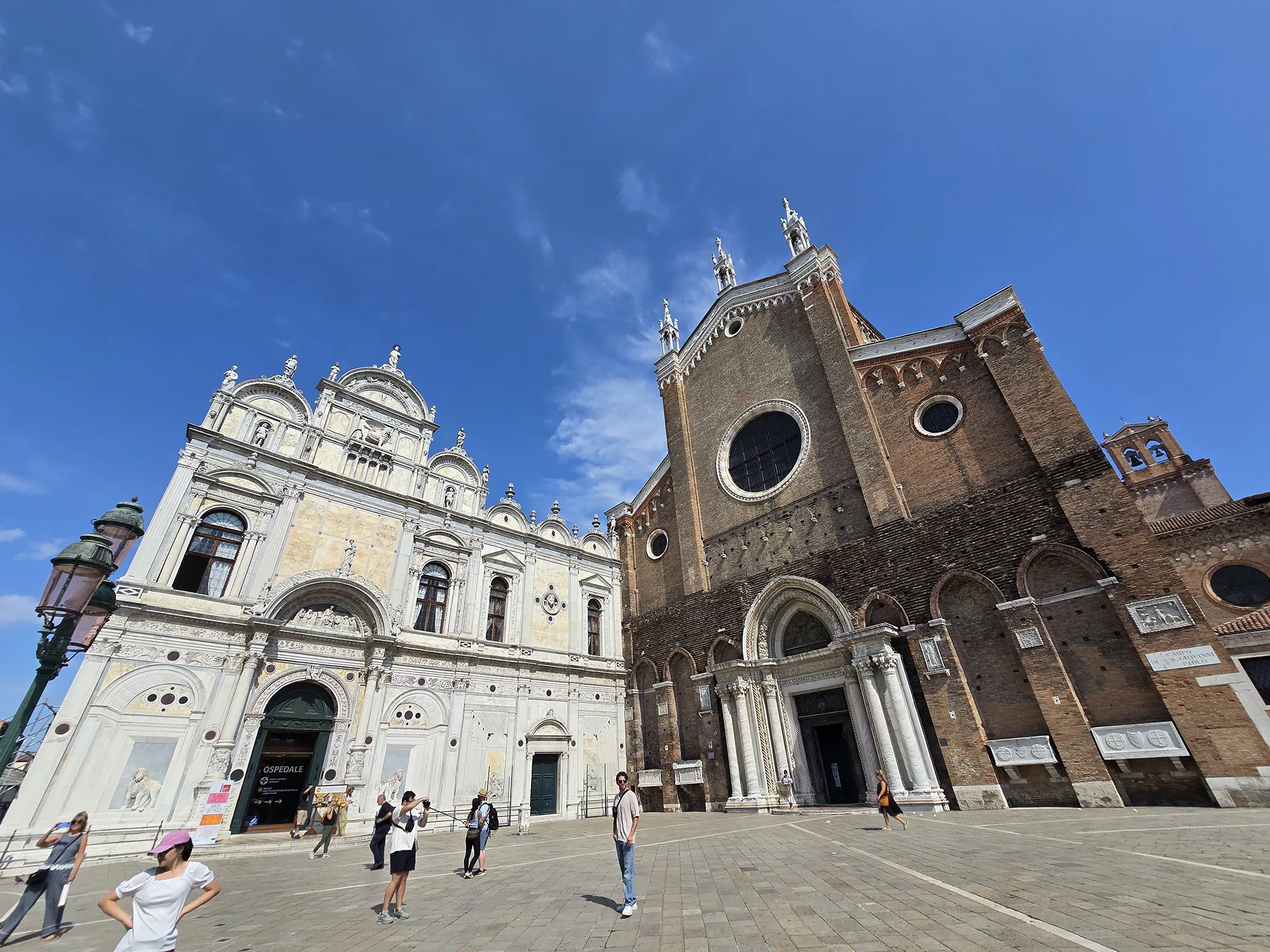
We explored Venice through its history, food, neighborhoods, islands, and — of course — from the water. Between walking tours, food tours, a gondola ride, visits to St. Mark's Basilica and the Doge's Palace, and trips across the lagoon to Murano and Burano, we quickly discovered that some of the best parts of Venice appear when you look beyond the postcard views and start asking how this remarkable city became what it is today.
Beyond the View: Where Every Step Tells a Story
It's easy to visit Venice and become completely absorbed by what you see. Gondolas drift beneath centuries-old bridges. St. Mark's Basilica towers over one of the world's most recognizable squares. Palaces line the Grand Canal, colorful homes fill the islands of the lagoon, and nearly every narrow street seems to lead toward another scene that belongs on a postcard.
But one of the things we came to appreciate most about Venice was that the view is only the beginning of the story.
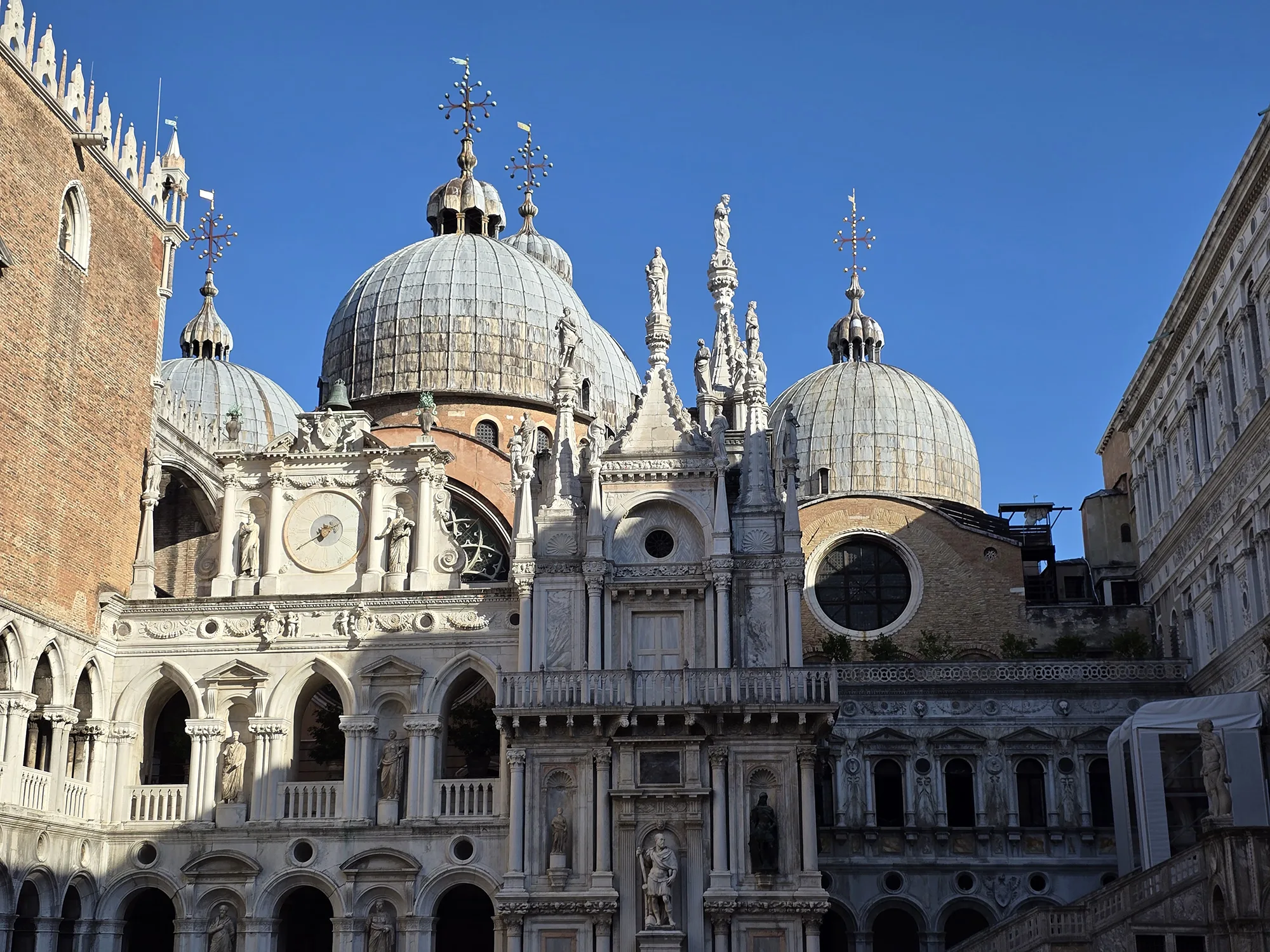
Consider St. Mark's Basilica. Today, its domes and mosaics are among the defining images of Venice, but the story behind the building reaches far beyond the city itself. The basilica is dedicated to Mark the Evangelist, traditionally identified as the author of the Gospel of Mark. According to Venetian tradition, merchants brought relics believed to be those of St. Mark from Alexandria to Venice in the ninth century. His symbol — the winged lion — eventually became the symbol of Venice itself, appearing throughout the city and across territories once connected to the Venetian Republic.
That connection between faith, trade, politics, and identity appears again and again throughout Venice. The Doge's Palace tells the story of a republic that developed its own complex system of government and became a major Mediterranean power. The architecture and treasures surrounding St. Mark's reflect centuries of contact — and sometimes conflict — between Venice and the wider world. Even the city's location tells part of the story: a community built in a lagoon eventually became a maritime power whose influence stretched far beyond these islands.
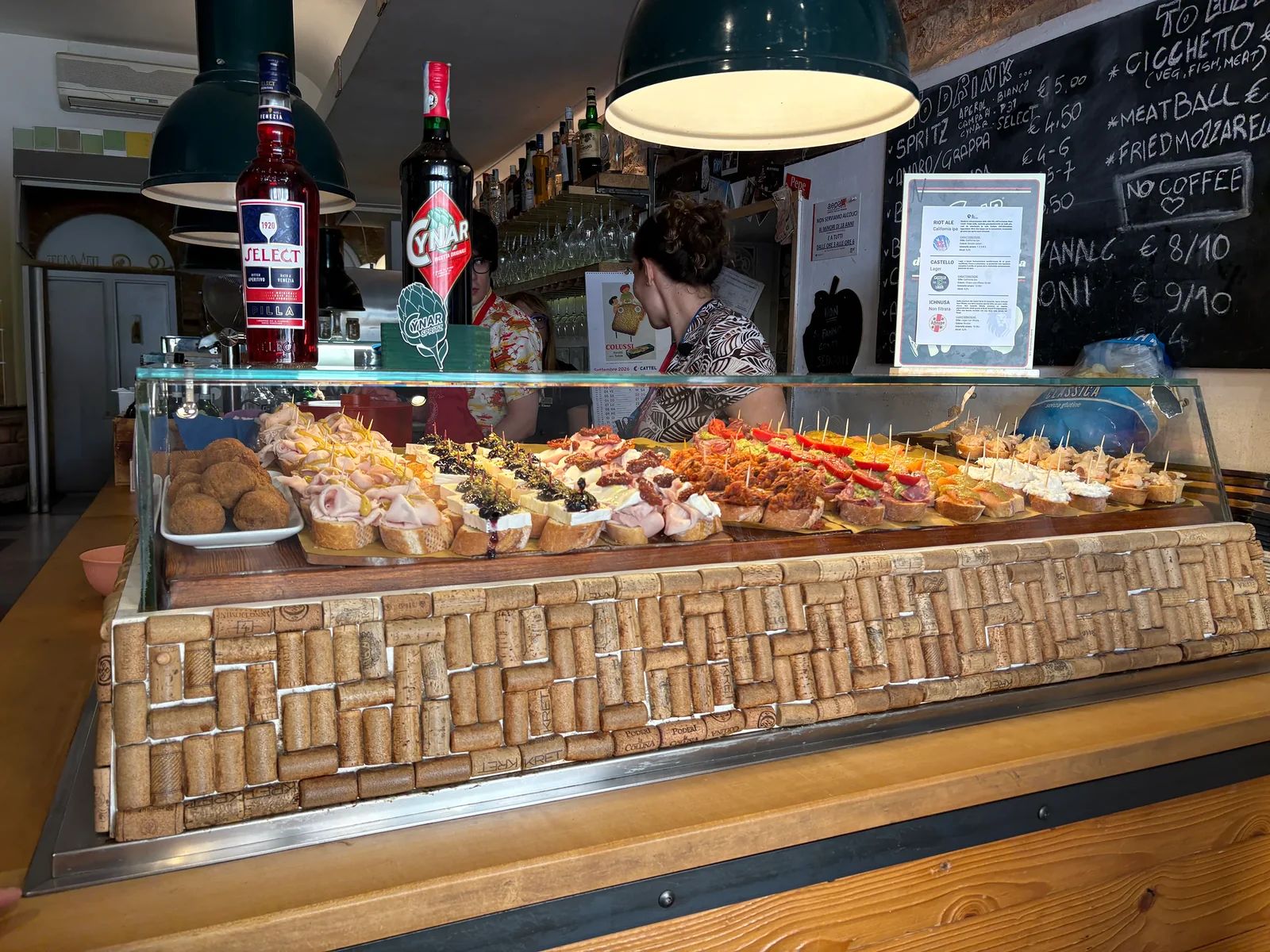
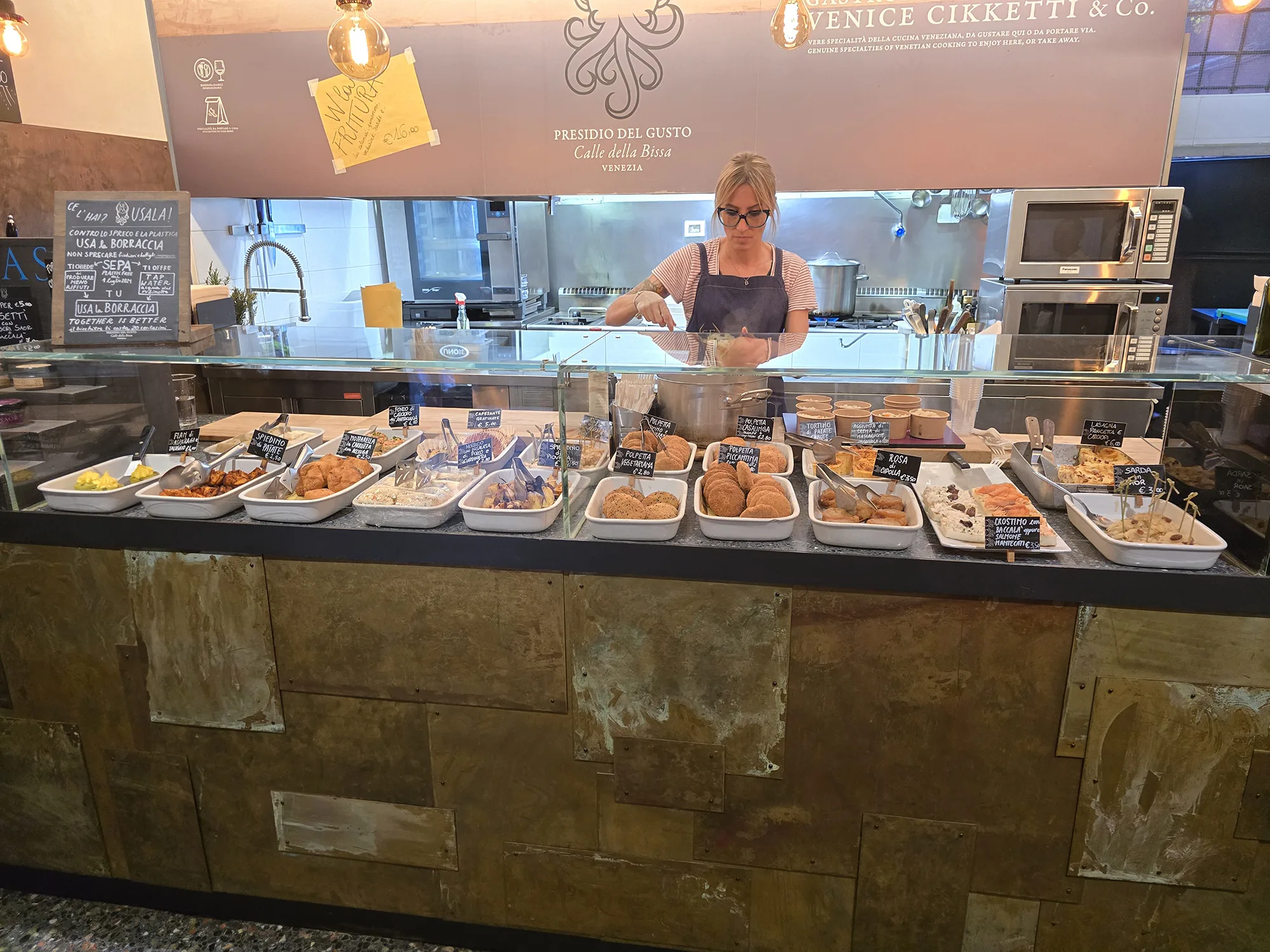
And then there are the people and communities that continue the story today. Murano became famous around the world for generations of glassmaking. Burano developed its own distinctive traditions and identity among the islands of the lagoon. Venetian cuisine reflects both the sea surrounding the city and the trade routes that once connected Venice with distant cultures.
None of this makes the famous view any less spectacular. If anything, it makes it better. St. Mark's Basilica is beautiful — but knowing who Mark was, why his story became connected with Venice, and why his winged lion appears throughout the city changes the way you see it. The canals are beautiful — but understanding why Venice was built here and how the lagoon helped shape one of history's great maritime republics gives the scenery another dimension.
That's what we mean by going Beyond the View. Sometimes the most interesting part of a destination isn't simply what you're looking at. It's discovering the centuries of human stories that explain why it's there in the first place.
Tours & Experiences
Where We Ate
- All'Antico Vinaio
- Various stops on food tours
Where We Stayed
- AC Hotel Venice
- Courtyard by Marriott Venice Airport
Getting There
Venice is served primarily by Venice Marco Polo Airport (VCE), located on the mainland just across the lagoon from the historic city. From the airport, travelers can reach Venice by bus, taxi, private transfer, or boat, including water transportation that provides a particularly fitting introduction to a city where boats function much like cars do elsewhere. Venice is also extremely easy to reach by train from other destinations throughout Italy and Europe. Venezia Santa Lucia railway station sits directly within historic Venice, allowing travelers to step off the train and immediately find themselves beside the Grand Canal. Be careful when booking tickets, as Venezia Mestre is a separate station located on the mainland rather than within the historic island city.If you're arriving by car, vehicles cannot continue into historic Venice itself. Parking facilities are available near the edge of the city and on the mainland, with travelers continuing by foot or public transportation. Once you're in Venice, walking and the city's vaporetto water buses become the primary ways to get around — although getting slightly lost among the narrow streets, canals, and bridges is practically part of the experience.